

The term 358 is widely used for a narrow-aperture welded security mesh based on a nominal three-inch by half-inch opening and an eight-gauge wire reference. That name helps identify a product family, but it does not complete a project specification. Finished aperture, wire basis, panel dimensions, post system, fixings, coating and gate interfaces must still be coordinated for the intended perimeter.
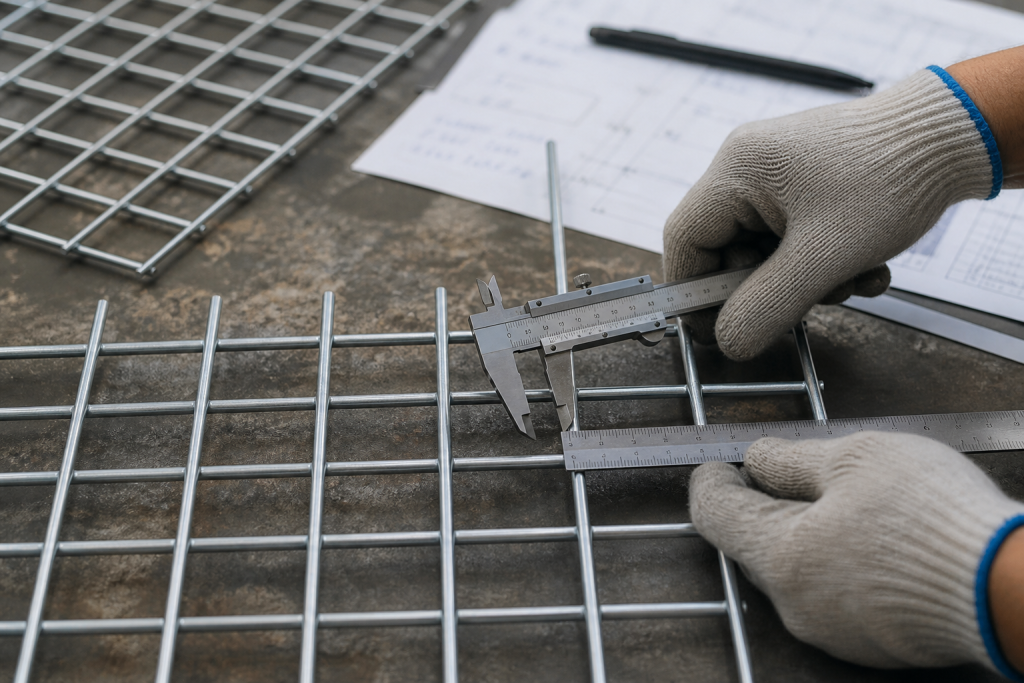
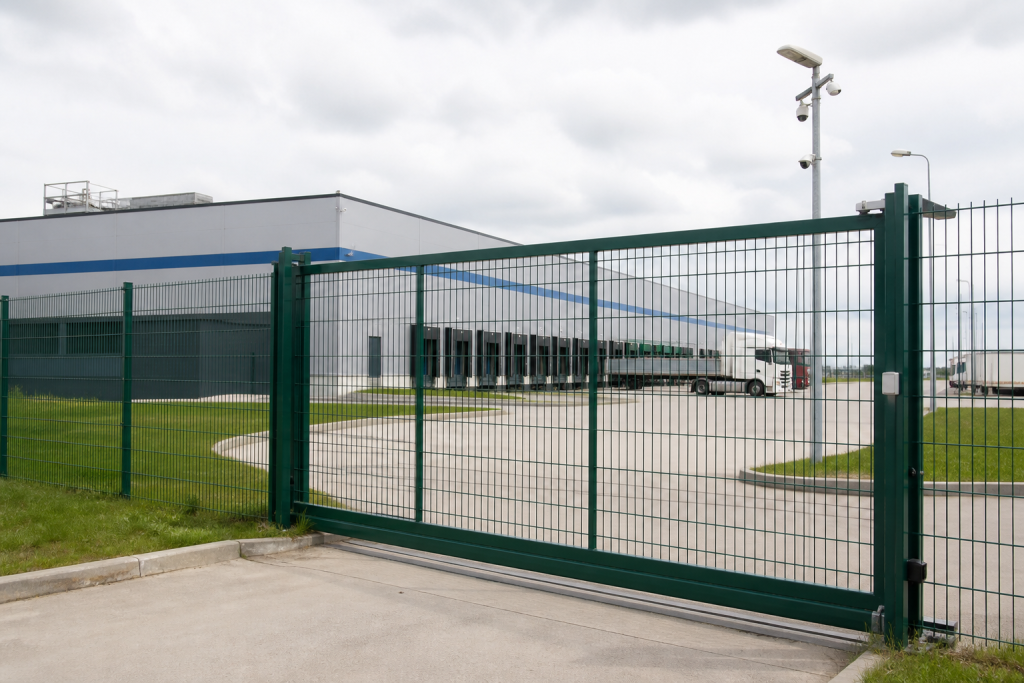
This product-system update is intended for early comparison. Available dimensions, tolerances, materials, finishes and accessories still need to be confirmed against the current BOHANG quotation and approved drawing.
What 358 describes
The designation is a convenient starting point for mesh geometry. Metric schedules commonly reference an aperture close to 76.2 by 12.7 millimetres, but the approved order should state its own nominal values, tolerances and measurement basis.
A useful review asks whether the wire value is before or after coating, which direction controls the narrow opening, and what tolerance applies to the finished mesh. Recording those points in the same schedule reduces assumptions between the product description, the drawing, the quotation and the packing list. It also makes later revisions easier to identify because the reason for each selection remains visible.
Write the actual approved values alongside the familiar 358 name so the shorthand cannot override the project schedule. For procurement, the important boundary is to separate a nominal product description from the values that are actually approved for manufacture. Where site conditions, standards or calculations govern the result, the responsible designer or buyer should confirm them before production release.
Panel and wire schedule
Panel width, height, edge wires, bends and reinforcement influence handling and connection to the post line. Wire and aperture should be reviewed with panel form rather than treated as isolated catalogue figures.
A useful review asks how the panel edge meets the post, whether bends or additional wires are required, and which finished dimensions control setting out. Recording those points in the same schedule reduces assumptions between the product description, the drawing, the quotation and the packing list. It also makes later revisions easier to identify because the reason for each selection remains visible.
Coordinate panel modules with the boundary length and opening positions before fixing quantities are finalised. For procurement, the important boundary is to separate a nominal product description from the values that are actually approved for manufacture. Where site conditions, standards or calculations govern the result, the responsible designer or buyer should confirm them before production release.
Posts and fixings
A narrow-aperture panel relies on its post and fixing arrangement to form a complete boundary. Post section, spacing, foundation interface, clamp or cover strip and tamper-resistant hardware all belong in the system discussion.
A useful review asks which side exposes the fixing, how post centres relate to panel width, and what base or embedment detail the project uses. Recording those points in the same schedule reduces assumptions between the product description, the drawing, the quotation and the packing list. It also makes later revisions easier to identify because the reason for each selection remains visible.
Do not assume two 358 panels from different systems can share posts or clips without a coordinated drawing. For procurement, the important boundary is to separate a nominal product description from the values that are actually approved for manufacture. Where site conditions, standards or calculations govern the result, the responsible designer or buyer should confirm them before production release.
Gates and transitions
Vehicle gates, pedestrian gates, corners, level changes and connections to walls are common weak points in an otherwise consistent mesh line. They need compatible infill, frames, clearances and hardware.
A useful review asks where the fence height changes, how gate infill matches the boundary, and which transition details require fabrication. Recording those points in the same schedule reduces assumptions between the product description, the drawing, the quotation and the packing list. It also makes later revisions easier to identify because the reason for each selection remains visible.
Include a gate and transition schedule in the first inquiry so special panels and posts are not added after the standard run is priced. For procurement, the important boundary is to separate a nominal product description from the values that are actually approved for manufacture. Where site conditions, standards or calculations govern the result, the responsible designer or buyer should confirm them before production release.
Information for quotation
Use the 358 name as a product route, then add the project values that define the complete supply package. A concise schedule is more useful than a long message with missing values, so mark unknown items clearly and attach the drawing, bill of quantities or reference image that controls the discussion.
- Approved aperture and wire basis
- Panel width height and edge form
- Post section spacing and mounting
- Fixing or cover-strip arrangement
- Coating colour and exposure context
- Gate corner and transition schedule
The useful output is a coordinated panel-and-post schedule that can be checked against the boundary drawing and bill of quantities. When one of these values is not fixed, state the decision owner and the date by which it is needed. That keeps an open technical question from becoming an unrecorded production assumption.
Continue the sourcing review
Security performance depends on the whole site design, installation and operating context; a mesh designation alone does not establish a certified protection level. Use the related BOHANG routes below to compare the relevant product family, application context and supply capability before sending the final inquiry.
- Review perimeter and barrier systems
- Open the perimeter security guide
- Send a project or product brief
For a quotation, provide the intended use, dimensions or product schedule, quantity, finish, destination and required delivery timing. BOHANG can then review the available manufacturing and supply route against the information provided.

