

Double wire fence names such as 656 and 868 describe a common arrangement in which two horizontal wires support one vertical wire. In the usual shorthand, 656 refers to nominal six-millimetre horizontal wires with a five-millimetre vertical wire, while 868 refers to nominal eight-six-eight construction. These names indicate a rigidity route, not a finished perimeter design.
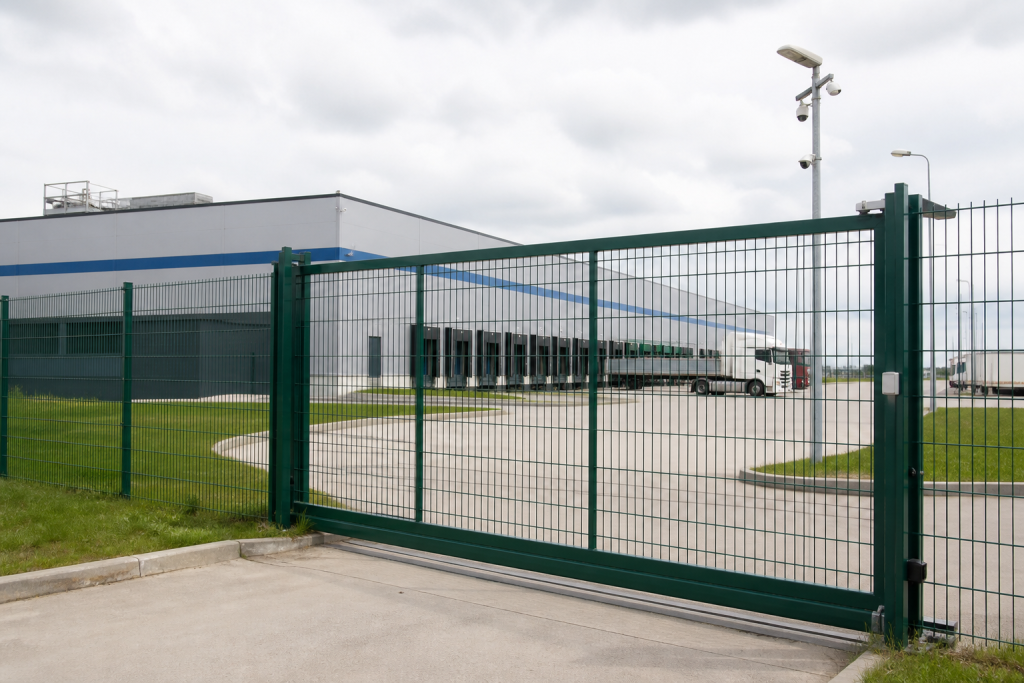
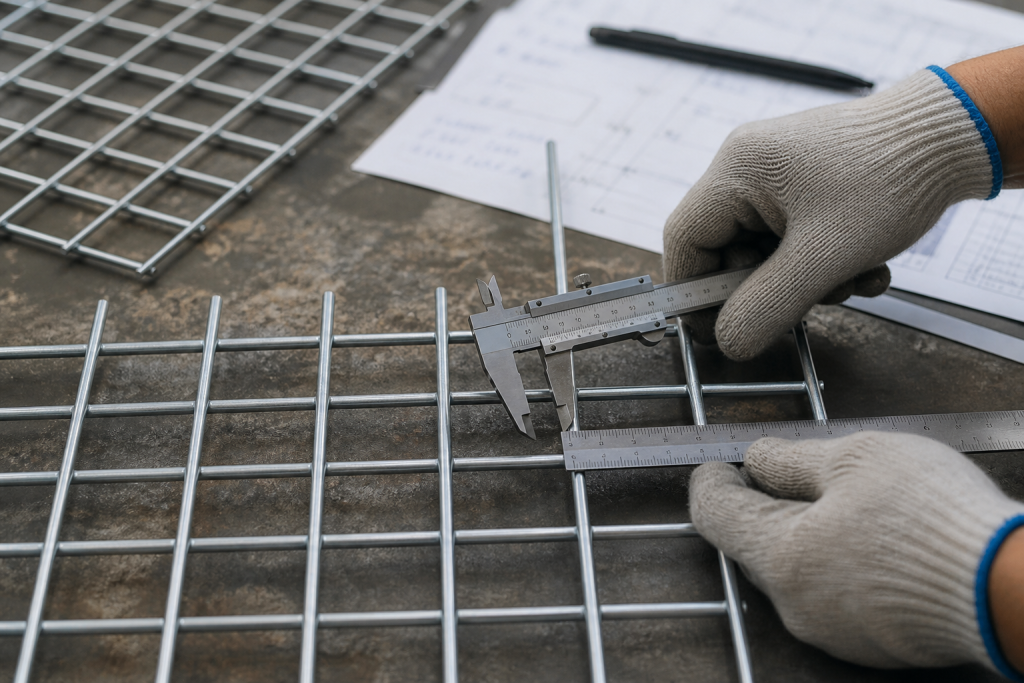
This product-system update is intended for early comparison. Available dimensions, tolerances, materials, finishes and accessories still need to be confirmed against the current BOHANG quotation and approved drawing.
Reading 656 and 868
The three digits describe the relative wire arrangement, but buyers should still confirm the approved wire basis, finished coating condition and actual mesh opening. Supplier terminology and available tolerances can differ.
A useful review asks whether wire is stated before or after coating, which nominal opening is required, and how the finished panel is measured. Recording those points in the same schedule reduces assumptions between the product description, the drawing, the quotation and the packing list. It also makes later revisions easier to identify because the reason for each selection remains visible.
Put the complete wire and opening schedule on the drawing rather than relying on the three-digit name in isolation. For procurement, the important boundary is to separate a nominal product description from the values that are actually approved for manufacture. Where site conditions, standards or calculations govern the result, the responsible designer or buyer should confirm them before production release.
Rigidity and system context
The heavier 868 route generally creates a more substantial panel than 656 when other conditions are comparable. The practical result still depends on panel width, height, bends, post spacing and fixing arrangement.
A useful review asks what span the panel must cover, where wind or impact exposure is relevant, and how posts and foundations support the panel. Recording those points in the same schedule reduces assumptions between the product description, the drawing, the quotation and the packing list. It also makes later revisions easier to identify because the reason for each selection remains visible.
Compare complete system modules and project requirements instead of treating wire weight as the only measure of suitability. For procurement, the important boundary is to separate a nominal product description from the values that are actually approved for manufacture. Where site conditions, standards or calculations govern the result, the responsible designer or buyer should confirm them before production release.
Visibility and site use
Both double wire constructions can provide a clear visual boundary for industrial, municipal and infrastructure settings. Opening size, height and colour influence visibility, while site risk and local requirements control the final selection.
A useful review asks whether surveillance sightlines matter, what containment or boundary function is intended, and where pedestrians vehicles or equipment interact. Recording those points in the same schedule reduces assumptions between the product description, the drawing, the quotation and the packing list. It also makes later revisions easier to identify because the reason for each selection remains visible.
Start from the site function and exposure, then select the wire route that supports the approved system design. For procurement, the important boundary is to separate a nominal product description from the values that are actually approved for manufacture. Where site conditions, standards or calculations govern the result, the responsible designer or buyer should confirm them before production release.
Posts coating and gates
Panel comparison is incomplete without the post, fixing, finish and gate schedule. Different wire weights may affect lifting, connection details and package planning even when the visible layout looks similar.
A useful review asks which post section and centre spacing apply, how the coating system is specified, and whether gate infill and transitions match. Recording those points in the same schedule reduces assumptions between the product description, the drawing, the quotation and the packing list. It also makes later revisions easier to identify because the reason for each selection remains visible.
Request a coordinated panel, post and gate proposal so interfaces do not remain as assumptions. For procurement, the important boundary is to separate a nominal product description from the values that are actually approved for manufacture. Where site conditions, standards or calculations govern the result, the responsible designer or buyer should confirm them before production release.
Selection checklist
Record the following values when comparing 656 and 868 routes for the same perimeter. A concise schedule is more useful than a long message with missing values, so mark unknown items clearly and attach the drawing, bill of quantities or reference image that controls the discussion.
- Wire arrangement and finished basis
- Mesh opening and panel dimensions
- Panel bends or reinforcement
- Post centres and fixing method
- Surface treatment and colour
- Gate and special-panel requirements
A useful comparison shows the commercial and installation effect of each complete system, not only the nominal wire difference. When one of these values is not fixed, state the decision owner and the date by which it is needed. That keeps an open technical question from becoming an unrecorded production assumption.
Continue the sourcing review
Final suitability, foundation design and security level remain project-specific and should be confirmed by the responsible parties. Use the related BOHANG routes below to compare the relevant product family, application context and supply capability before sending the final inquiry.
- Review perimeter and barrier systems
- Open the factory and machine-safety guide
- Send a project or product brief
For a quotation, provide the intended use, dimensions or product schedule, quantity, finish, destination and required delivery timing. BOHANG can then review the available manufacturing and supply route against the information provided.

