
Agricultural fencing has to work with animals, people, terrain and daily routines. A product that forms a boundary on flat ground may need different posts, mesh progression or gate spacing across slopes, drainage crossings and high-use handling areas. The first brief should explain what is being contained or excluded, how the line is used and where vehicles, feeding and maintenance cross it.
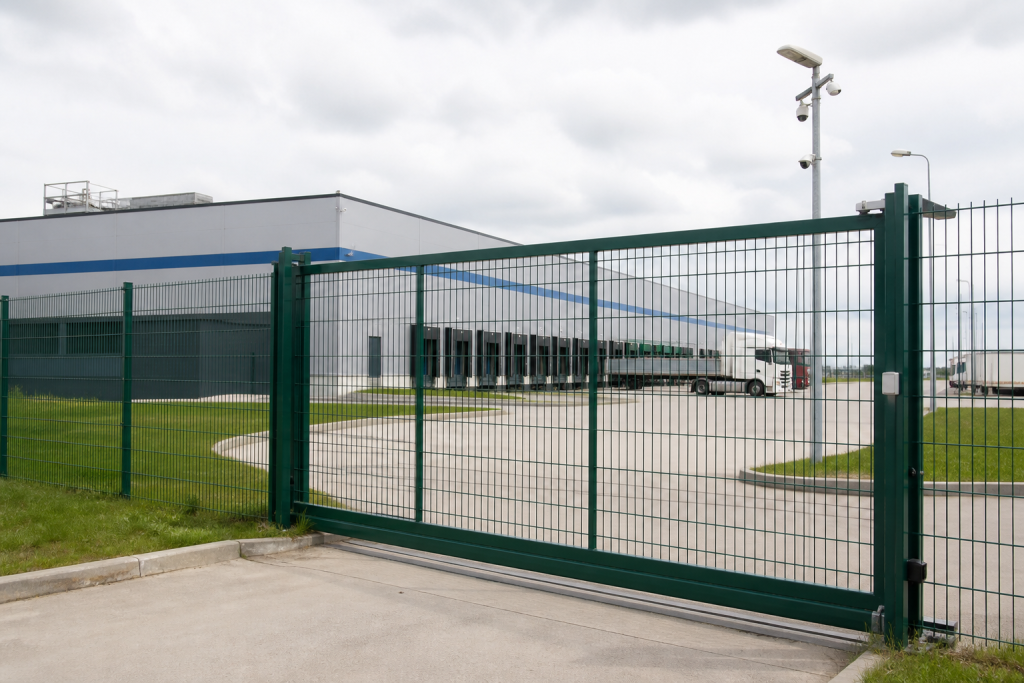
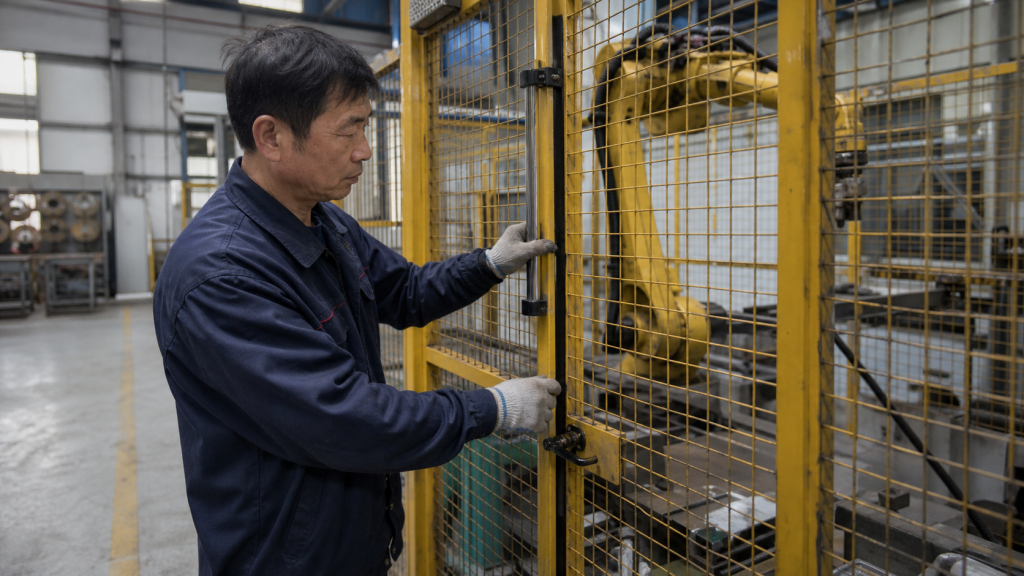
This application note starts with the operating environment rather than a product name. That keeps the first discussion focused on function, interfaces, exposure and maintenance before a mesh or fence route is narrowed.
Set the containment objective
Animal size, behaviour, group pressure and the need to exclude wildlife or predators shape the mesh and height discussion. Young stock and mixed animal groups may introduce smaller opening or ground-level requirements.
A useful review asks which animals use the enclosure, where pressure or contact is highest, and whether the fence contains excludes or separates. Recording those points in the same schedule reduces assumptions between the product description, the drawing, the quotation and the packing list. It also makes later revisions easier to identify because the reason for each selection remains visible.
Describe the highest-demand operating condition rather than selecting solely from the average animal size. For procurement, the important boundary is to separate a nominal product description from the values that are actually approved for manufacture. Where site conditions, standards or calculations govern the result, the responsible designer or buyer should confirm them before production release.
Map terrain and the fence line
Slopes, corners, soft ground, drainage and vegetation affect setting-out and post conditions. Long straight runs and frequent changes in level should not be assumed to use identical support details.
A useful review asks where the line changes direction or grade, which ground conditions limit foundations, and where water or equipment crosses. Recording those points in the same schedule reduces assumptions between the product description, the drawing, the quotation and the packing list. It also makes later revisions easier to identify because the reason for each selection remains visible.
Provide a route sketch and identify unusual sections so standard panels or rolls can be separated from special transitions. For procurement, the important boundary is to separate a nominal product description from the values that are actually approved for manufacture. Where site conditions, standards or calculations govern the result, the responsible designer or buyer should confirm them before production release.
Choose the panel or wire route
Rigid welded panels, field-fence style rolls, chain-link and other systems offer different installation, visibility and maintenance characteristics. Wire, opening progression, coating and support must be matched as one route.
A useful review asks whether the line needs rigid modules, how tension is applied and maintained, and what corrosion and contact exposure exists. Recording those points in the same schedule reduces assumptions between the product description, the drawing, the quotation and the packing list. It also makes later revisions easier to identify because the reason for each selection remains visible.
Compare the installed system and maintenance method, not only the initial mesh price per metre. For procurement, the important boundary is to separate a nominal product description from the values that are actually approved for manufacture. Where site conditions, standards or calculations govern the result, the responsible designer or buyer should confirm them before production release.
Plan gates and daily access
Vehicle, livestock and personnel gates define how the enclosure operates. Gate width, swing or sliding space, ground clearance, latching and adjacent posts need coordination with frequent tasks.
A useful review asks which vehicles and groups pass each opening, how often the gate cycles, and where feeding cleaning or inspection routes run. Recording those points in the same schedule reduces assumptions between the product description, the drawing, the quotation and the packing list. It also makes later revisions easier to identify because the reason for each selection remains visible.
Locate and size gates from the operating plan before finalising the continuous fence quantity. For procurement, the important boundary is to separate a nominal product description from the values that are actually approved for manufacture. Where site conditions, standards or calculations govern the result, the responsible designer or buyer should confirm them before production release.
Farm fence inquiry checklist
Use practical site and animal information to keep the first quotation relevant. A concise schedule is more useful than a long message with missing values, so mark unknown items clearly and attach the drawing, bill of quantities or reference image that controls the discussion.
- Animal type age and containment objective
- Fence length height and route sketch
- Terrain corners and drainage crossings
- Preferred mesh panel or roll construction
- Post gate and fixing requirements
- Finish quantity destination and timing
A useful system brief separates routine fence runs from high-pressure, gate and transition zones so their components can be reviewed deliberately. When one of these values is not fixed, state the decision owner and the date by which it is needed. That keeps an open technical question from becoming an unrecorded production assumption.
Continue the sourcing review
Animal behaviour, site safety and local agricultural requirements must be assessed by the owner and relevant professionals. Use the related BOHANG routes below to compare the relevant product family, application context and supply capability before sending the final inquiry.
- Open the agriculture and livestock guide
- Review perimeter and barrier systems
- Send a project or product brief
For a quotation, provide the intended use, dimensions or product schedule, quantity, finish, destination and required delivery timing. BOHANG can then review the available manufacturing and supply route against the information provided.

