
Surface-treatment terms are often compressed into one line of a buying request, even though they describe different process routes. Pre-galvanized wire is coated before mesh manufacture, while a fabricated item may be hot-dip galvanized after welding or forming. Powder coating adds a coloured organic finish over a prepared substrate. The correct description should connect process sequence, exposure, appearance and cut-edge condition.
This selection guide is written for buyers, estimators and engineers preparing a first technical discussion. It separates the terms that belong in a specification from the choices that depend on the working environment.
Separate substrate and finish
The base material, fabrication route and surface treatment should be identified separately. A phrase such as galvanized mesh may not explain whether the wire, sheet or completed fabrication receives zinc, or whether another coating is applied afterwards.
A useful review asks which steel or wire basis is required, when fabrication occurs relative to coating, and whether colour or appearance is part of the scope. Recording those points in the same schedule reduces assumptions between the product description, the drawing, the quotation and the packing list. It also makes later revisions easier to identify because the reason for each selection remains visible.
Write the process sequence in the specification so suppliers and inspectors are comparing the same finished product. For procurement, the important boundary is to separate a nominal product description from the values that are actually approved for manufacture. Where site conditions, standards or calculations govern the result, the responsible designer or buyer should confirm them before production release.
Pre-galvanized route
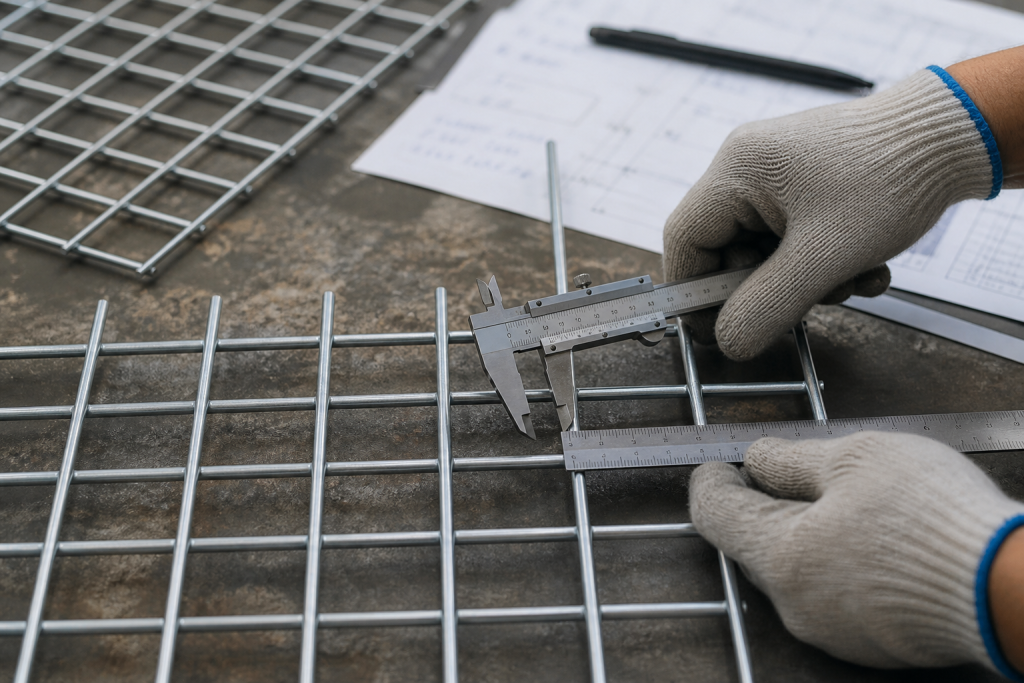
Pre-galvanized wire or sheet can support efficient mesh manufacture and a consistent zinc-covered starting material. Welding, cutting and forming occur after the original coating, so the treatment of affected points needs to match the approved product requirement.
A useful review asks which edges remain exposed after cutting, how welded intersections are assessed, and what environment the finished mesh enters. Recording those points in the same schedule reduces assumptions between the product description, the drawing, the quotation and the packing list. It also makes later revisions easier to identify because the reason for each selection remains visible.
Use this route when it aligns with the product design and agreed corrosion strategy, not only because the word galvanized appears in the request. For procurement, the important boundary is to separate a nominal product description from the values that are actually approved for manufacture. Where site conditions, standards or calculations govern the result, the responsible designer or buyer should confirm them before production release.
Hot-dip galvanized route
Galvanizing a completed fabrication can cover welded and cut areas as part of the final process. Product size, drainage, venting, distortion risk and surface appearance need consideration before the route is selected.
A useful review asks whether the fabrication can be dipped safely, how drainage and handling are planned, and which finished coating requirement is approved. Recording those points in the same schedule reduces assumptions between the product description, the drawing, the quotation and the packing list. It also makes later revisions easier to identify because the reason for each selection remains visible.
Coordinate the mesh or frame design with the galvanizing route before production rather than treating coating as a final cosmetic step. For procurement, the important boundary is to separate a nominal product description from the values that are actually approved for manufacture. Where site conditions, standards or calculations govern the result, the responsible designer or buyer should confirm them before production release.
Powder-coated route
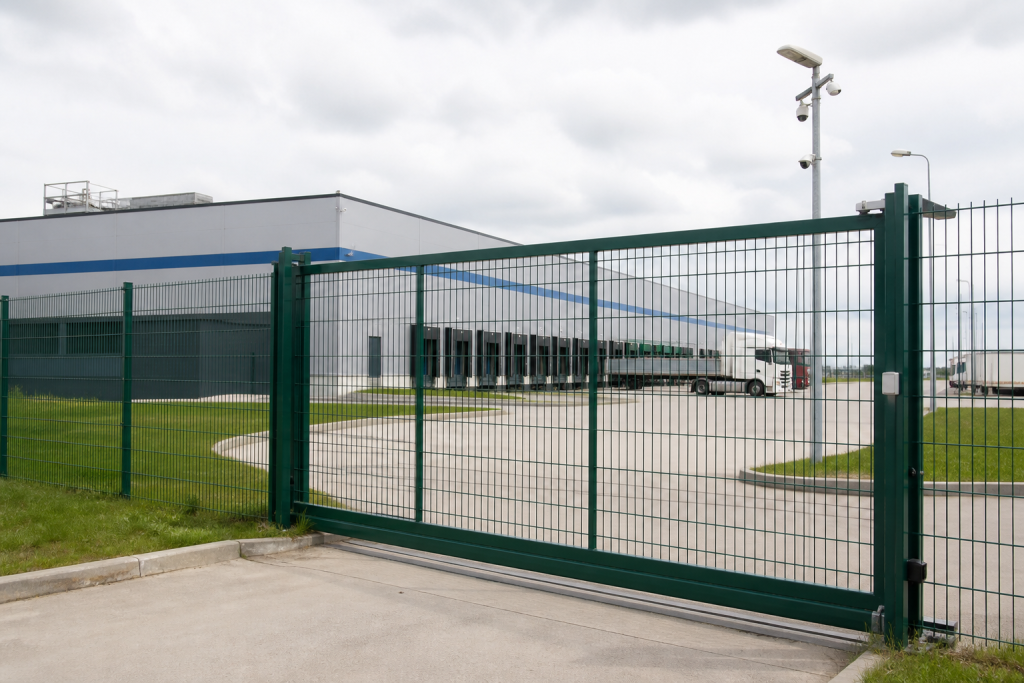
Powder coating provides colour and an additional protective finish when substrate preparation, coating system and cure are suitable. Corners, mesh intersections and contact points require consistent process control because their geometry differs from flat sheet.
A useful review asks which substrate sits under the powder, what colour and appearance are required, and how packaging protects coated faces. Recording those points in the same schedule reduces assumptions between the product description, the drawing, the quotation and the packing list. It also makes later revisions easier to identify because the reason for each selection remains visible.
Confirm whether powder coating is the complete finish or part of a duplex route over zinc, then state the approved system clearly. For procurement, the important boundary is to separate a nominal product description from the values that are actually approved for manufacture. Where site conditions, standards or calculations govern the result, the responsible designer or buyer should confirm them before production release.
Exposure questions
Before selecting a finish, connect the service environment with the manufacturing and packing route. A concise schedule is more useful than a long message with missing values, so mark unknown items clearly and attach the drawing, bill of quantities or reference image that controls the discussion.
- Base material and product construction
- Coating before or after fabrication
- Indoor outdoor or aggressive exposure
- Required colour and visual consistency
- Cut edge weld and contact-point treatment
- Packing protection and handling method
The selected finish should be described in a way that production, inspection and the receiving team can interpret consistently. When one of these values is not fixed, state the decision owner and the date by which it is needed. That keeps an open technical question from becoming an unrecorded production assumption.
Continue the sourcing review
Corrosion life cannot be promised from a finish name alone; environment, preparation, coating specification, installation and maintenance all affect service behaviour. Use the related BOHANG routes below to compare the relevant product family, application context and supply capability before sending the final inquiry.
- Browse BOHANG product systems
- Review BOHANG quality-control capabilities
- Read common procurement answers
- Send a project or product brief
For a quotation, provide the intended use, dimensions or product schedule, quantity, finish, destination and required delivery timing. BOHANG can then review the available manufacturing and supply route against the information provided.

