

Machine enclosure mesh is one component of a safeguarding system. The layout starts with the hazard zone, operator positions, material flow and the tasks that require access. Panel opening, height, rigidity and visibility then need to coordinate with posts, doors, interlocks, foundations and maintenance routes. Final safety distances and control-system requirements remain the responsibility of the machine safety design.
This application note starts with the operating environment rather than a product name. That keeps the first discussion focused on function, interfaces, exposure and maintenance before a mesh or fence route is narrowed.
Define the guarded zone
A clear layout identifies the hazard boundary, safe standing areas, robot or machine movement, ejected material risk and interfaces with walls or existing equipment. It should also show where the enclosure cannot obstruct production flow.
A useful review asks what movement defines the hazard envelope, where operators load or observe the process, and which fixed structures can form part of the boundary. Recording those points in the same schedule reduces assumptions between the product description, the drawing, the quotation and the packing list. It also makes later revisions easier to identify because the reason for each selection remains visible.
Base panel setting-out on the approved safeguarding assessment rather than drawing a convenient rectangle around the machine. For procurement, the important boundary is to separate a nominal product description from the values that are actually approved for manufacture. Where site conditions, standards or calculations govern the result, the responsible designer or buyer should confirm them before production release.
Coordinate visibility and opening
Mesh opening supports visibility and ventilation but may also affect reach distance and the ability to pass tools or material. Wire and frame construction influence rigidity and how the panel behaves after repeated access.
A useful review asks which sightlines operators require, what separation distance is available, and whether process debris or parts can reach the mesh. Recording those points in the same schedule reduces assumptions between the product description, the drawing, the quotation and the packing list. It also makes later revisions easier to identify because the reason for each selection remains visible.
Confirm opening and distance together with the safety professional; neither value should be selected in isolation. For procurement, the important boundary is to separate a nominal product description from the values that are actually approved for manufacture. Where site conditions, standards or calculations govern the result, the responsible designer or buyer should confirm them before production release.
Plan doors and controlled access
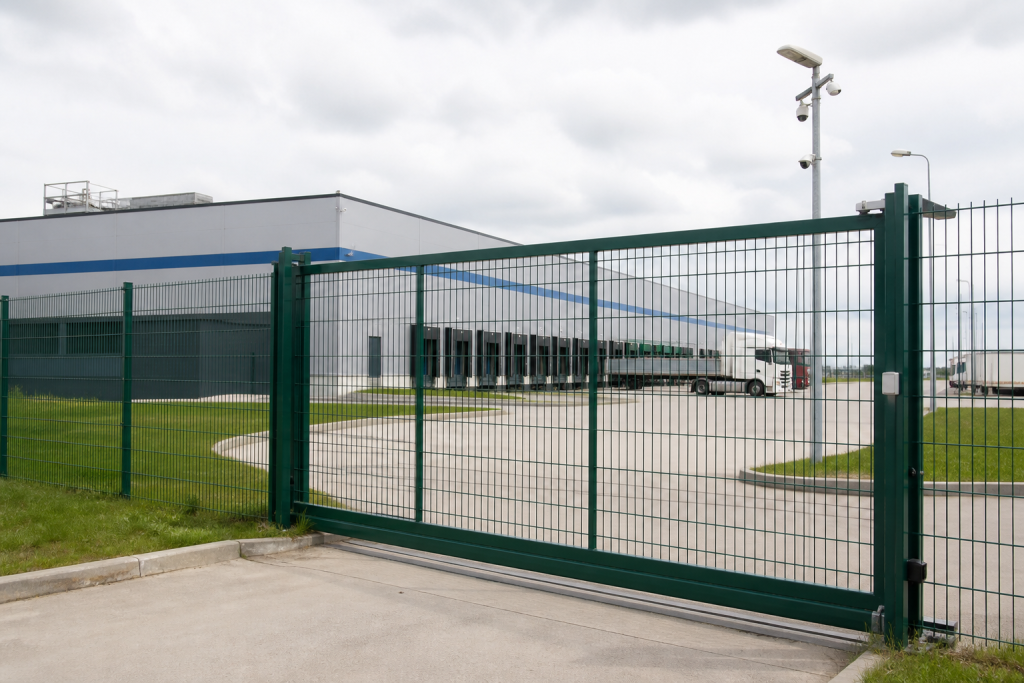
Hinged, sliding or removable access points need adequate clear opening, compatible posts, hardware and space for operation. Their location should support normal intervention without encouraging unsafe shortcuts.
A useful review asks which task requires each door, how often access occurs, and what interlock or lock provision the project supplies. Recording those points in the same schedule reduces assumptions between the product description, the drawing, the quotation and the packing list. It also makes later revisions easier to identify because the reason for each selection remains visible.
Put every access point on the layout and distinguish personnel doors, material openings and maintenance-only panels. For procurement, the important boundary is to separate a nominal product description from the values that are actually approved for manufacture. Where site conditions, standards or calculations govern the result, the responsible designer or buyer should confirm them before production release.
Keep maintenance routes visible
Cable trays, utilities, lubrication points, tooling changes and component removal paths may conflict with a neat fence line. Identifying them early reduces late cutting or unplanned gaps in the enclosure.
A useful review asks which components need removal clearance, where services cross the boundary, and how inspection reaches posts and fixings. Recording those points in the same schedule reduces assumptions between the product description, the drawing, the quotation and the packing list. It also makes later revisions easier to identify because the reason for each selection remains visible.
Review the enclosure with maintenance and production teams before fabrication so access is designed rather than improvised. For procurement, the important boundary is to separate a nominal product description from the values that are actually approved for manufacture. Where site conditions, standards or calculations govern the result, the responsible designer or buyer should confirm them before production release.
Machine enclosure layout checklist
Provide a plan view and enough operating context to coordinate panels, posts and openings. A concise schedule is more useful than a long message with missing values, so mark unknown items clearly and attach the drawing, bill of quantities or reference image that controls the discussion.
- Approved hazard and safety boundary
- Machine movement and operator positions
- Panel opening height and visibility need
- Door type clear opening and hardware
- Cable utility and material-flow interfaces
- Maintenance access and removable sections
The completed brief should define a buildable enclosure package while leaving risk assessment, safety distance and control validation with the responsible specialists. When one of these values is not fixed, state the decision owner and the date by which it is needed. That keeps an open technical question from becoming an unrecorded production assumption.
Continue the sourcing review
Mesh panels alone do not create a compliant safeguarding system, and this article does not specify a universal safety distance or interlock design. Use the related BOHANG routes below to compare the relevant product family, application context and supply capability before sending the final inquiry.
- Open the factory and machine-safety guide
- Review perimeter and barrier systems
- Send a project or product brief
For a quotation, provide the intended use, dimensions or product schedule, quantity, finish, destination and required delivery timing. BOHANG can then review the available manufacturing and supply route against the information provided.

