

Quarry screen selection begins with the material and the separation objective, not with aperture alone. Particle shape, top size, moisture, abrasiveness, impact and contamination influence how feed reaches the deck. The screen opening, wire construction, panel size, hooks, tension direction and support arrangement must then work together with the existing equipment and maintenance plan.
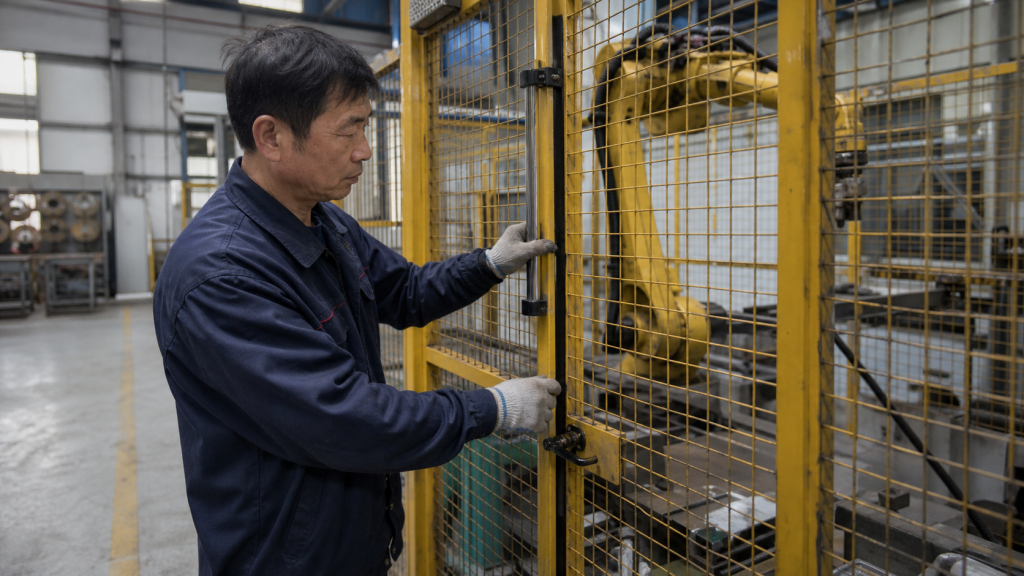
This application note starts with the operating environment rather than a product name. That keeps the first discussion focused on function, interfaces, exposure and maintenance before a mesh or fence route is narrowed.
Start with the feed material
Feed description should cover particle range, shape, moisture and the presence of clay or other material that may blind the opening. The same nominal cut can behave differently with dry angular stone and damp mixed feed.
A useful review asks what top size reaches the deck, whether fines or sticky material are present, and where impact is concentrated. Recording those points in the same schedule reduces assumptions between the product description, the drawing, the quotation and the packing list. It also makes later revisions easier to identify because the reason for each selection remains visible.
Provide representative operating information rather than a single material name so the mesh route can address both separation and handling behaviour. For procurement, the important boundary is to separate a nominal product description from the values that are actually approved for manufacture. Where site conditions, standards or calculations govern the result, the responsible designer or buyer should confirm them before production release.
Connect aperture to the separation target
Aperture is chosen around the desired cut, but near-size particles, screen angle, feed distribution and available open area affect the practical result. Opening shape and weave can also influence blinding and screening direction.
A useful review asks which product fraction must pass, what carryover can be accepted, and whether square or slotted geometry is permitted. Recording those points in the same schedule reduces assumptions between the product description, the drawing, the quotation and the packing list. It also makes later revisions easier to identify because the reason for each selection remains visible.
Treat aperture as one part of a process target and keep final process acceptance with the equipment and plant team. For procurement, the important boundary is to separate a nominal product description from the values that are actually approved for manufacture. Where site conditions, standards or calculations govern the result, the responsible designer or buyer should confirm them before production release.
Review the wear route
Wire diameter, material and construction balance open area against wear life and impact resistance. Heavier wire may last longer in some duties but reduces open area when the mesh count or pitch is constrained.
A useful review asks whether abrasion or impact dominates, where previous screens fail, and how often planned replacement occurs. Recording those points in the same schedule reduces assumptions between the product description, the drawing, the quotation and the packing list. It also makes later revisions easier to identify because the reason for each selection remains visible.
Use wear history and failure location to guide the comparison instead of assuming the heaviest available wire is always the best answer. For procurement, the important boundary is to separate a nominal product description from the values that are actually approved for manufacture. Where site conditions, standards or calculations govern the result, the responsible designer or buyer should confirm them before production release.
Confirm the deck and tension interface
Screen dimensions, hook type, tension direction, support spacing, crown and clamp arrangement determine whether the mesh can be installed and held correctly. A small edge mismatch can prevent an otherwise suitable screen from fitting.
A useful review asks which direction carries tension, what hook profile and edge length are required, and how the deck supports the screen. Recording those points in the same schedule reduces assumptions between the product description, the drawing, the quotation and the packing list. It also makes later revisions easier to identify because the reason for each selection remains visible.
Send a drawing or measured sample when replacing an existing panel, and record which dimensions are critical to fit. For procurement, the important boundary is to separate a nominal product description from the values that are actually approved for manufacture. Where site conditions, standards or calculations govern the result, the responsible designer or buyer should confirm them before production release.
Quarry screen inquiry checklist
Combine operating information and equipment dimensions in the same first message. A concise schedule is more useful than a long message with missing values, so mark unknown items clearly and attach the drawing, bill of quantities or reference image that controls the discussion.
- Feed type top size and moisture
- Target separation and acceptable carryover
- Aperture shape and nominal size
- Wire material diameter and construction
- Panel dimensions hooks and tension direction
- Wear history replacement access and quantity
The review should narrow a practical screen construction that fits the deck and addresses the known material duty without promising plant performance from mesh data alone. When one of these values is not fixed, state the decision owner and the date by which it is needed. That keeps an open technical question from becoming an unrecorded production assumption.
Continue the sourcing review
Throughput, efficiency and service life depend on the complete screening process, equipment condition and operating practice. Use the related BOHANG routes below to compare the relevant product family, application context and supply capability before sending the final inquiry.
- Open the mining and quarrying guide
- Review screening and filtration mesh
- Send a project or product brief
For a quotation, provide the intended use, dimensions or product schedule, quantity, finish, destination and required delivery timing. BOHANG can then review the available manufacturing and supply route against the information provided.

