

Welded and woven wire mesh can share similar openings while behaving differently in a screen, panel or protective assembly. Welded intersections hold wires in a fixed grid, whereas woven construction gains its form from interlaced wires and the selected weave. The correct route depends on the working function, required movement or rigidity, support arrangement, edge treatment and maintenance plan.
This selection guide is written for buyers, estimators and engineers preparing a first technical discussion. It separates the terms that belong in a specification from the choices that depend on the working environment.
Construction difference
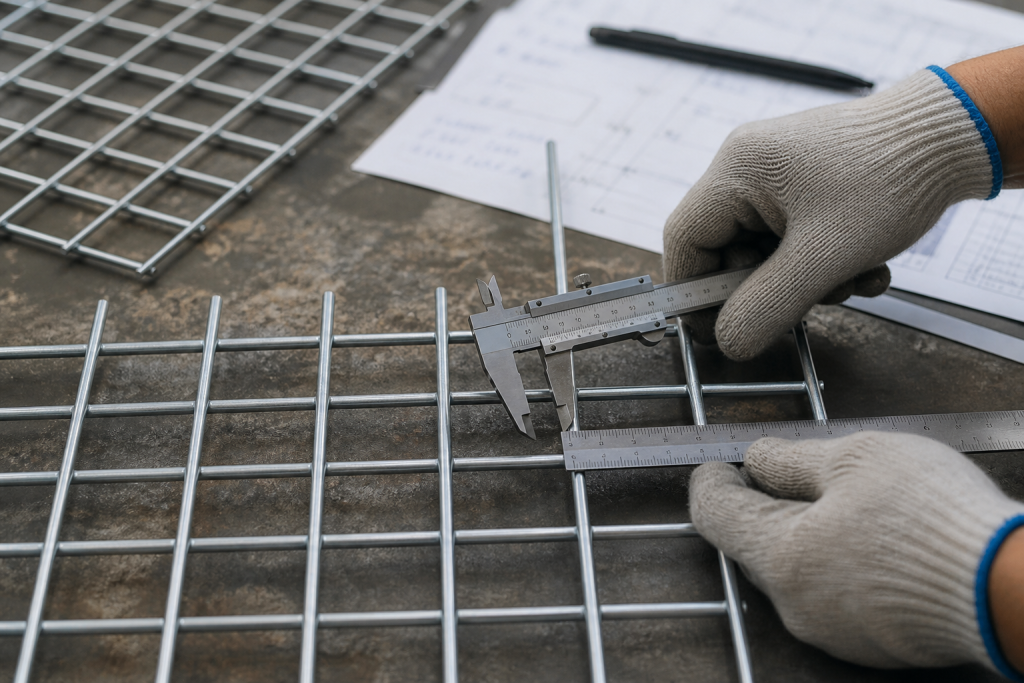
Welded mesh joins crossing wires at defined intersections, creating a stable sheet or panel geometry. Woven mesh allows wires to pass over and under each other, producing constructions that can range from relatively rigid to flexible depending on wire and weave.
A useful review asks whether the mesh must retain a fixed grid, how the material is tensioned or framed, and whether forming or movement is expected. Recording those points in the same schedule reduces assumptions between the product description, the drawing, the quotation and the packing list. It also makes later revisions easier to identify because the reason for each selection remains visible.
Describe the construction as well as the opening so the quotation does not substitute one mesh family for another based on appearance alone. For procurement, the important boundary is to separate a nominal product description from the values that are actually approved for manufacture. Where site conditions, standards or calculations govern the result, the responsible designer or buyer should confirm them before production release.
Opening and stability
Aperture controls what passes through or is kept out, but stability controls how that opening behaves under load, vibration and handling. Wire diameter, pitch, open area and support spacing all influence the practical result.
A useful review asks which particle or object controls the opening, how much deflection can be accepted, and where the mesh receives support. Recording those points in the same schedule reduces assumptions between the product description, the drawing, the quotation and the packing list. It also makes later revisions easier to identify because the reason for each selection remains visible.
Review opening and support together; a correct nominal aperture may not perform as intended if the installed mesh can move or distort. For procurement, the important boundary is to separate a nominal product description from the values that are actually approved for manufacture. Where site conditions, standards or calculations govern the result, the responsible designer or buyer should confirm them before production release.
Edge and support requirements
Cut welded panels, woven screens, framed guards and tensioned cloth use different edge details. Hooks, folds, frames, selvedges and clamp bars can be as important as the central mesh because they transfer load to the equipment or structure.
A useful review asks how the edge is held, which direction carries tension, and whether replacement access limits the panel size. Recording those points in the same schedule reduces assumptions between the product description, the drawing, the quotation and the packing list. It also makes later revisions easier to identify because the reason for each selection remains visible.
Include the support drawing or a measured sample when an edge detail must fit existing equipment. For procurement, the important boundary is to separate a nominal product description from the values that are actually approved for manufacture. Where site conditions, standards or calculations govern the result, the responsible designer or buyer should confirm them before production release.
Typical selection routes
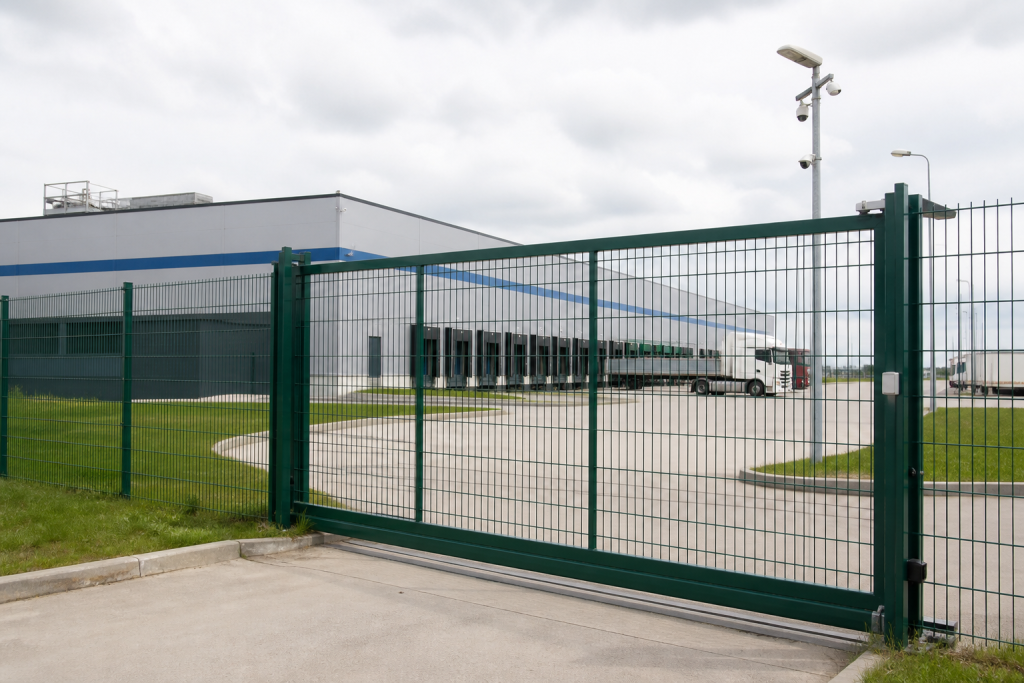
Screening often prioritises aperture control, flow and wear, while guarding may prioritise rigidity, visibility and safe separation. General protection can require a balance of both, together with corrosion exposure and fabrication needs.
A useful review asks whether material passes through the mesh, whether people or equipment interact with it, and how often the mesh will be inspected or replaced. Recording those points in the same schedule reduces assumptions between the product description, the drawing, the quotation and the packing list. It also makes later revisions easier to identify because the reason for each selection remains visible.
State the working objective first and allow the product comparison to follow that objective rather than a generic material preference. For procurement, the important boundary is to separate a nominal product description from the values that are actually approved for manufacture. Where site conditions, standards or calculations govern the result, the responsible designer or buyer should confirm them before production release.
Comparison checklist
Use the same functional information when asking for welded and woven alternatives. A concise schedule is more useful than a long message with missing values, so mark unknown items clearly and attach the drawing, bill of quantities or reference image that controls the discussion.
- Application and working objective
- Required aperture or retained object
- Wire material and diameter basis
- Panel roll or screen dimensions
- Edge frame and support detail
- Exposure maintenance and replacement plan
A clear comparison should explain why each construction fits the support and operating environment, not simply list two prices for similar-looking mesh. When one of these values is not fixed, state the decision owner and the date by which it is needed. That keeps an open technical question from becoming an unrecorded production assumption.
Continue the sourcing review
Final design loads, safety distances and process performance require project or equipment approval beyond this general selection guide. Use the related BOHANG routes below to compare the relevant product family, application context and supply capability before sending the final inquiry.
- Compare welded and formed mesh products
- Review screening and filtration mesh
- Browse application selection guides
- Send a project or product brief
For a quotation, provide the intended use, dimensions or product schedule, quantity, finish, destination and required delivery timing. BOHANG can then review the available manufacturing and supply route against the information provided.

